Which outfit for a Safari Girl?
The Ultimate August Safari Style
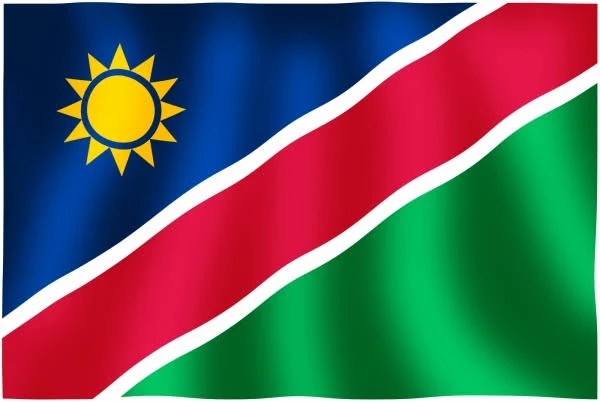
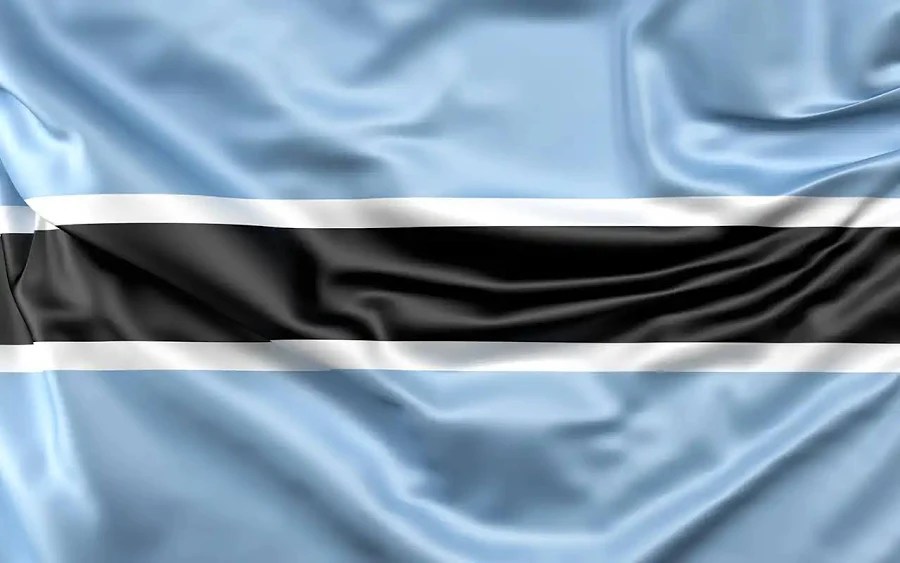
Guide for Namibia & Botswana
Planning an August escape to the sweeping
dunes of Namibia or the lush waterways of
Botswana’s Okavango Delta is incredibly
exciting. But packing for a Southern African
winter can feel tricky.
August is the peak of the dry season—ideal for wildlife viewing because the animals cluster around remaining waterholes. The twist? The weather is a game of two halves. You will experience crisp, near-freezing mornings, sun drenched afternoons, and brisk, chilly evenings.
Mastering the art of safari chic comes down to one golden rule: layers. Here is exactly what to wear, when to wear it, and the medical essentials you cannot forget.
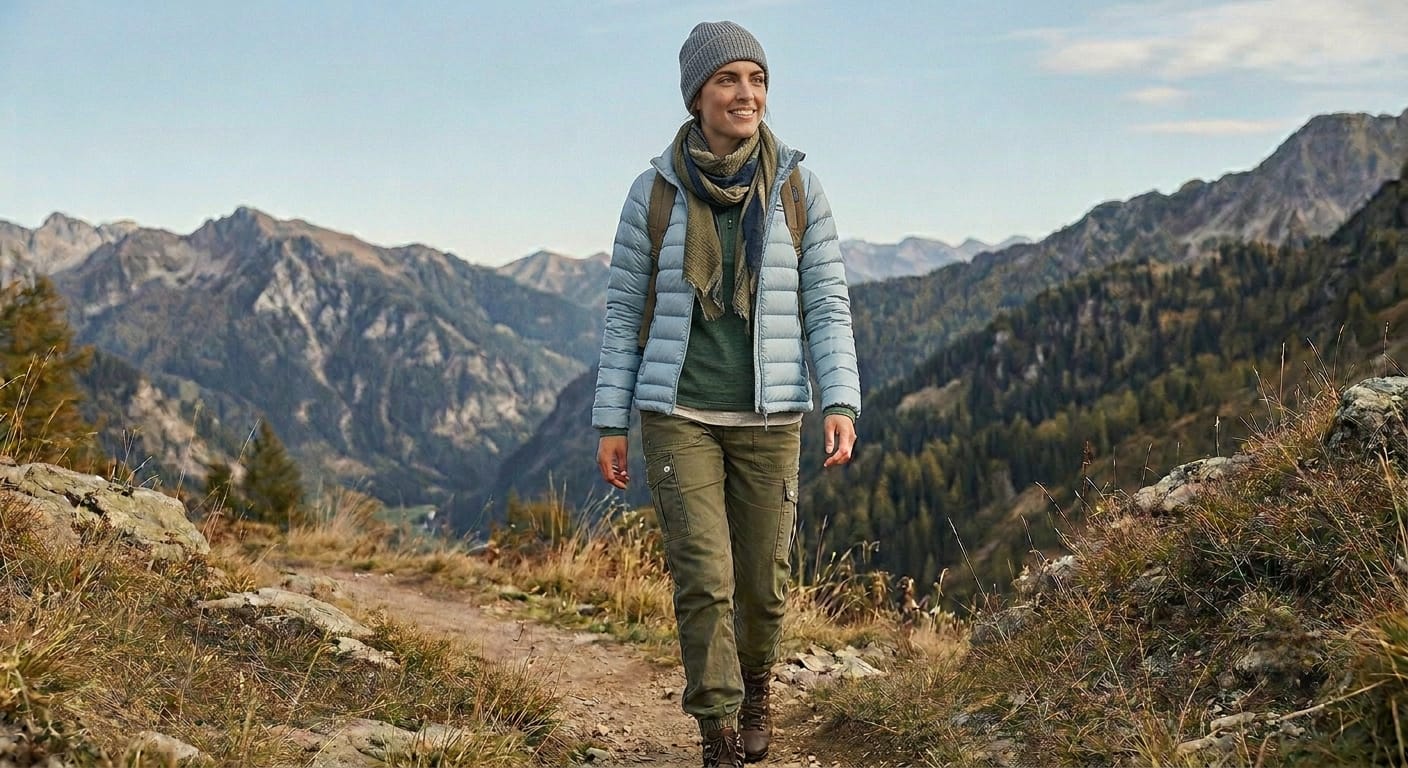
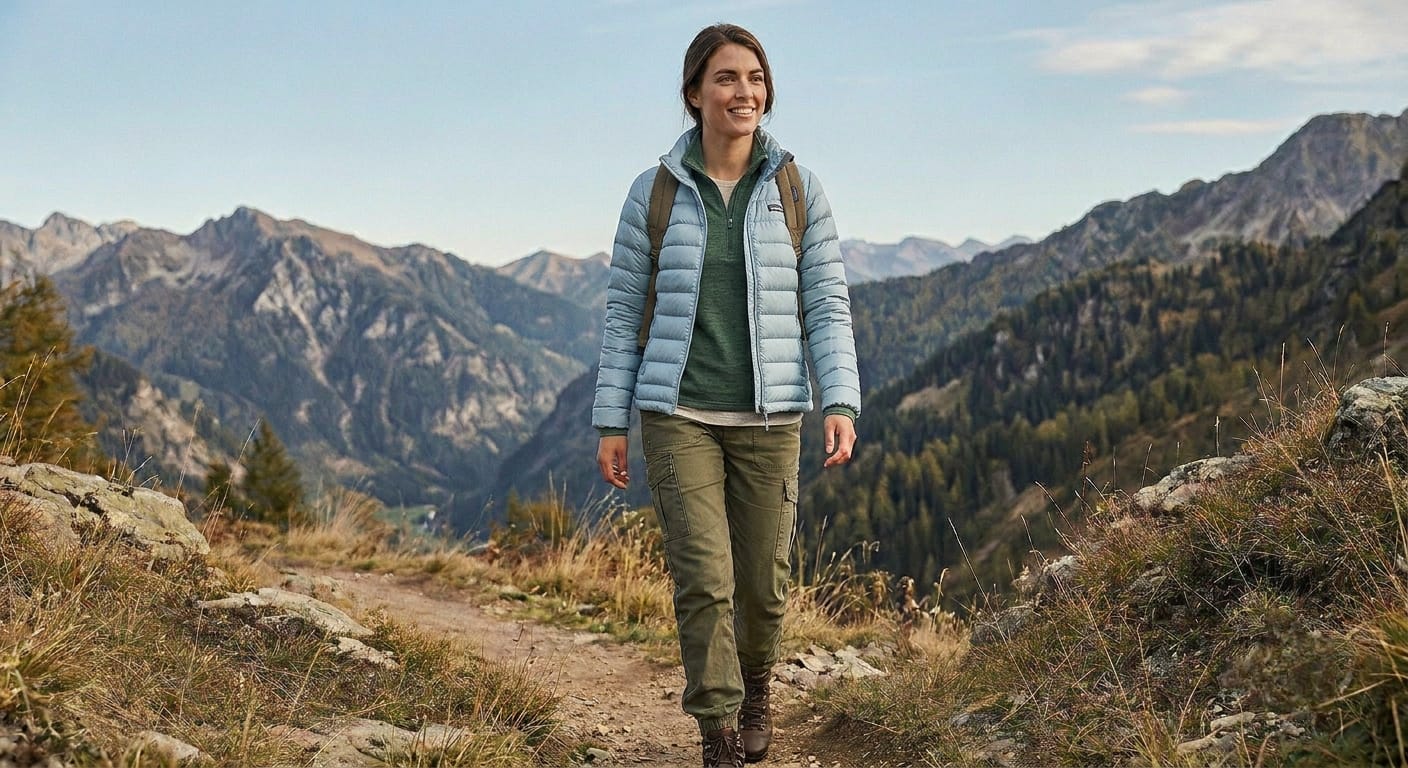
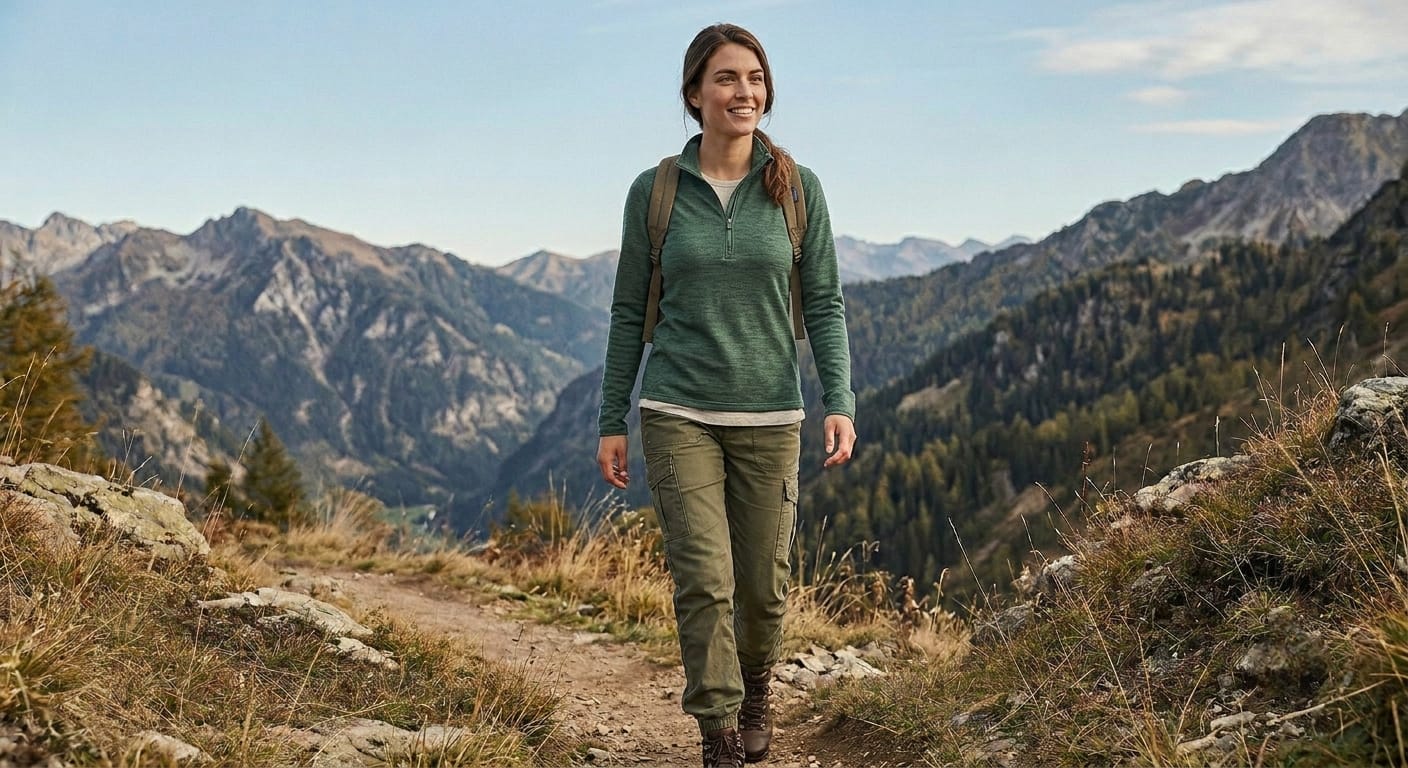
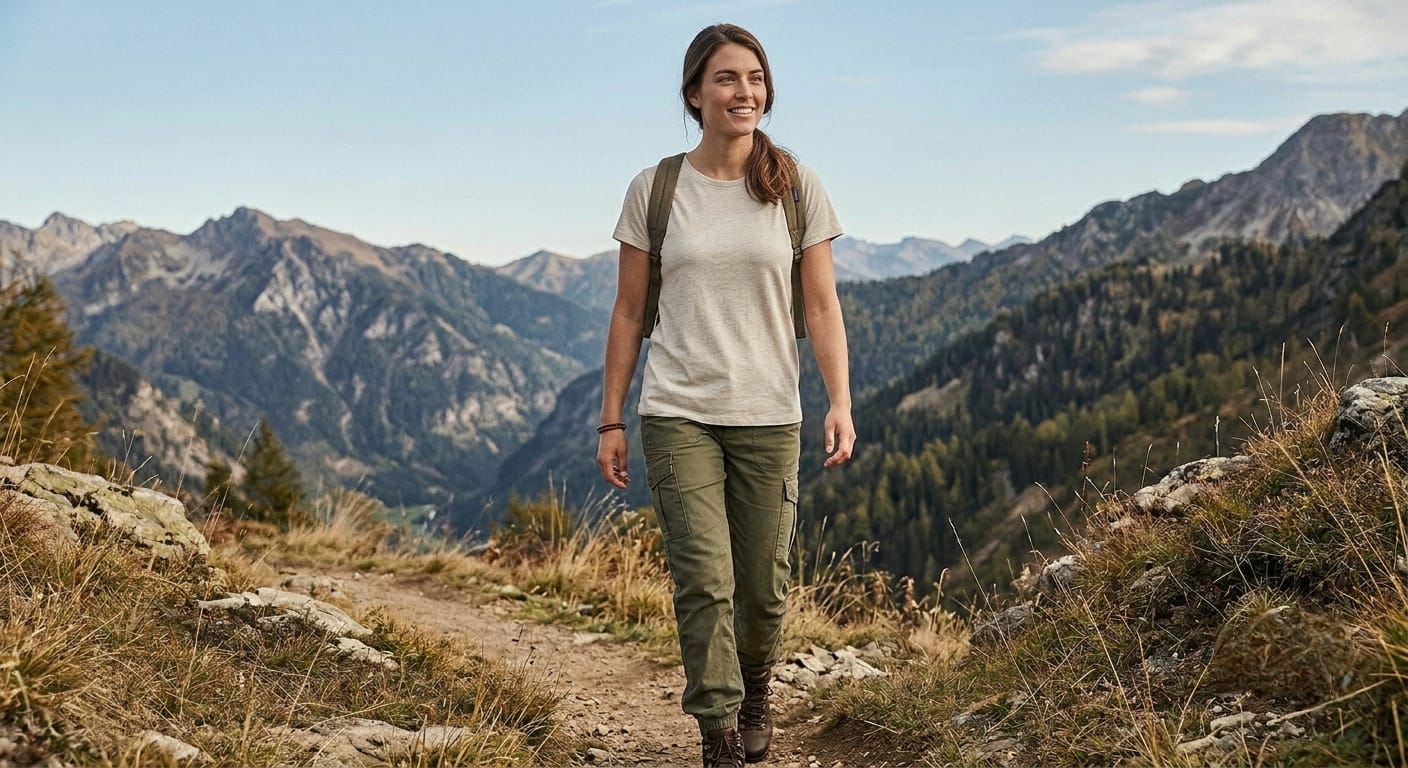
The Biting Morning: Cozy & Layered
Your morning game drive will start before dawn, around 6:00 AM.
In the open-air 4×4 vehicles, the
wind chill is real—temperatures can plummet to a brisk 7°C (45°F). You will want to look
effortlessly put-together while staying warm.
The Base Layer: A neutral cotton t-shirt or
tank top.
The Mid-Layer: A lightweight merino wool
sweater or a quality fleece zipped over your
shirt.
The Outer Layer: A light down puffer jacket
or windbreaker.
Bottoms: Long utility trousers, cargo pants,
or heavy leggings.
Accessories: A warm beanie and a
lightweight scarf or wrap to cut the wind.
The Golden Afternoon: Effortless &
Sun-Safe
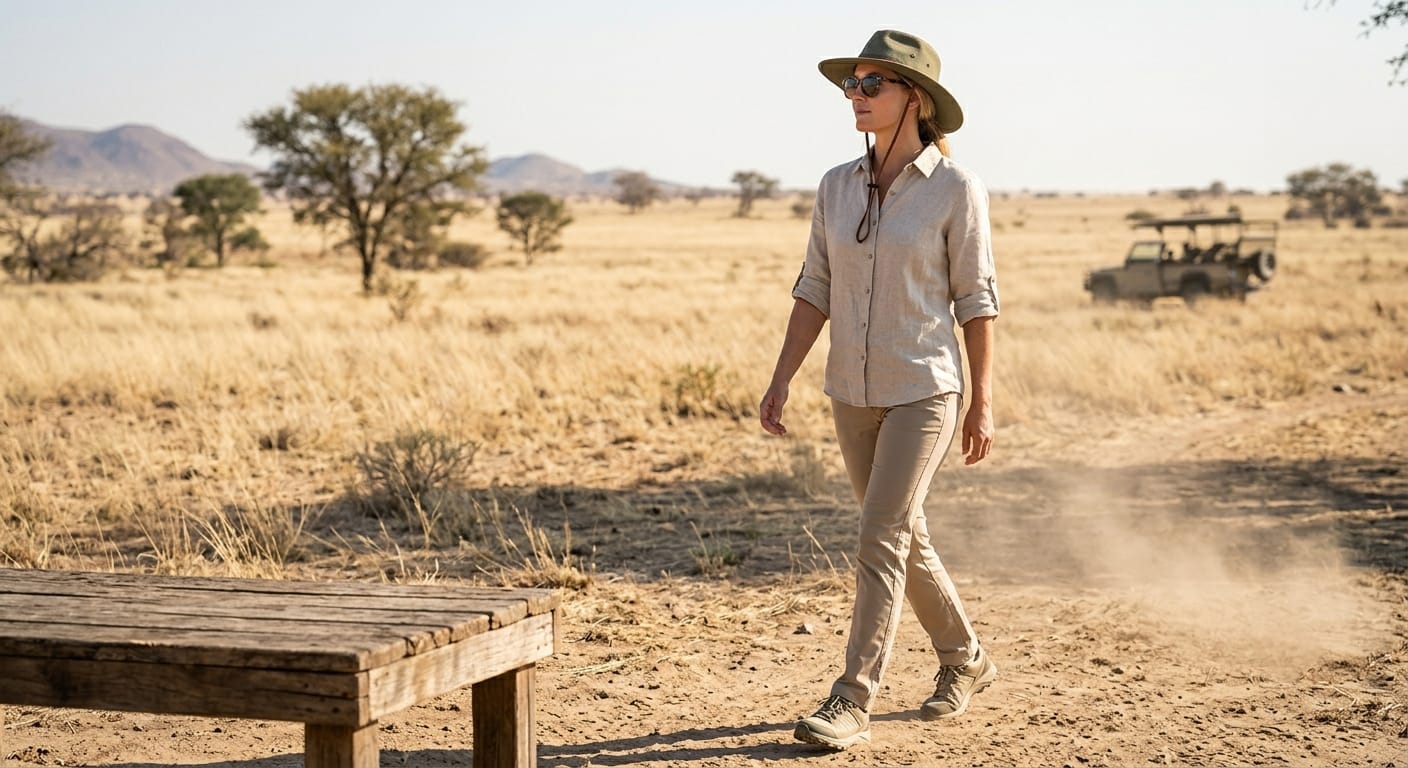
By 11:00 AM, the African sun is high and strong, pushing temperatures up to a gorgeous 25°C (77°F). This is when you peel off your heavy layers.
The Look: Swap your puffer jacket for a
breathable, long-sleeved linen or cotton
button-down shirt paired with neutral
trousers. Roll up your sleeves and use tabs
to keep them secure.
The Color Palette: Stick to earthy tones—
khaki, sand, olive green, and oatmeal. These
colors blend into the bush (so you don’t
startle the wildlife) and hide the inevitable
safari dust. Avoid dark blue and black (they
attract biting tsetse flies) and bright whites
(which stand out too much).
Footwear: Closed-toe trail runners, light
boots, or sturdy sneakers.
Accessories: A wide-brimmed hat is non
negotiable to protect your face, alongside
polarized sunglasses and SPF 50.
The Evening Sundowner: Elegant &
Covered
As the sun sets, the temperature drops rapidly.
You will likely gather around a campfire or dine
on an open-air deck. While safari lodges are
wonderfully casual, changing into a “fresh” outfit
for dinner feels fantastic after a dusty day in the
bush.
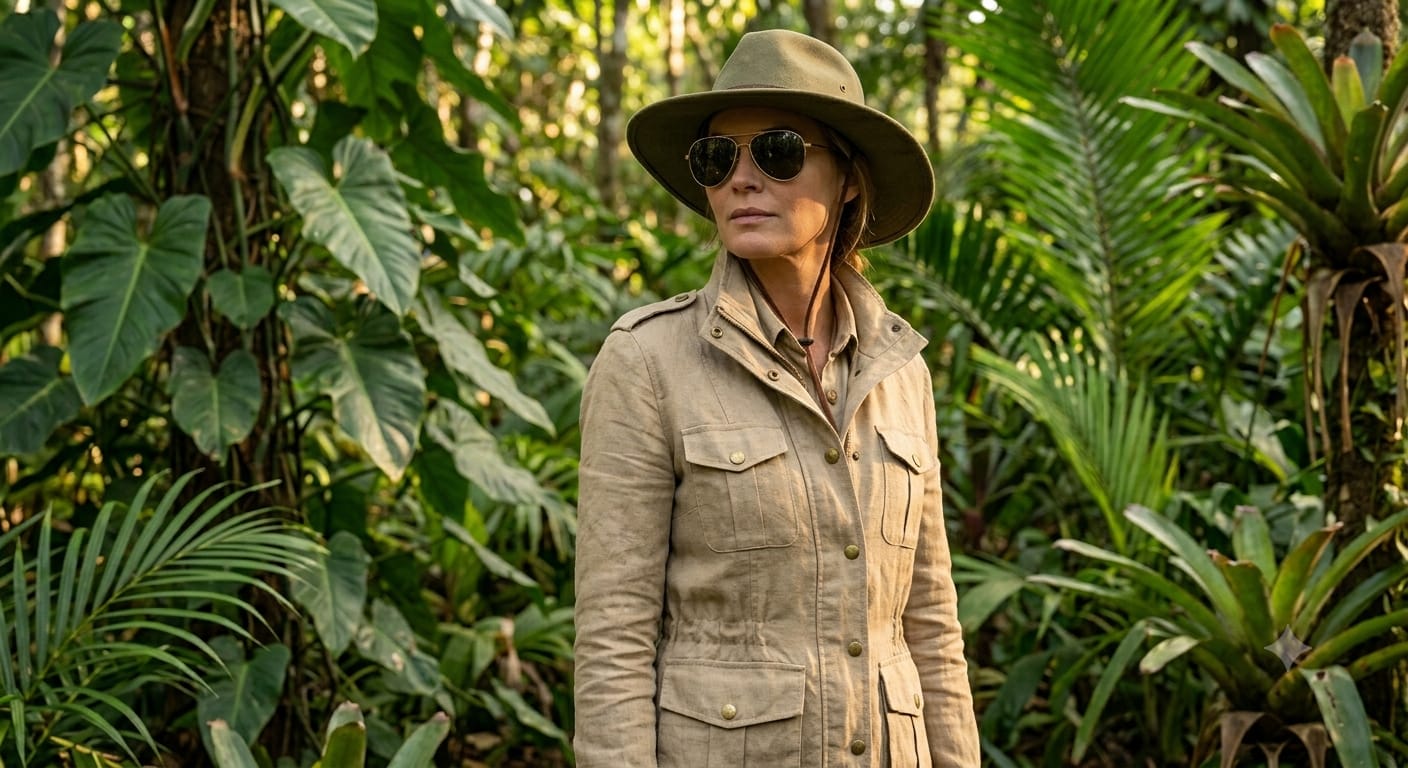
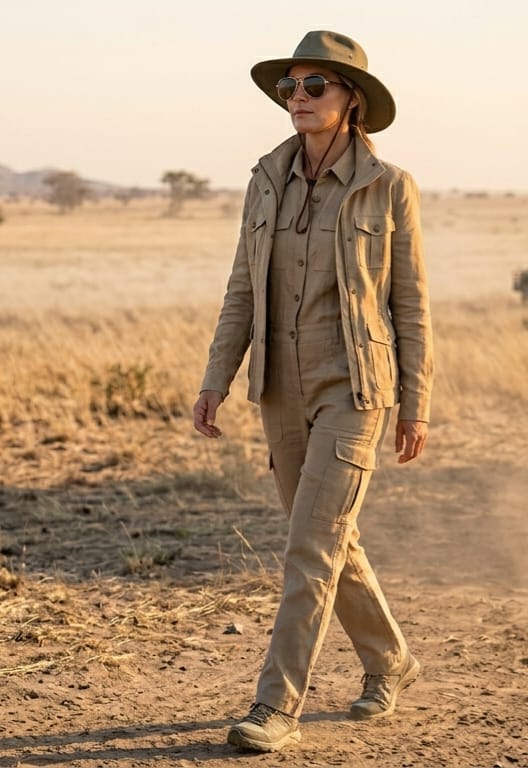
The Look: A monochrome linen utility set,
structured cargo pants with a silk-blend knit,
or a classic safari shirtdress paired with
thick leggings.
The Cover-Up: Layer with a tailored utility
jacket, denim jacket, or an elegant wool wrap.
The Golden Rule: Keep your arms and ankles
covered. This isn’t just for the evening chill;
it’s your primary defense against mosquitoes
as they emerge at dusk.
🩺
A Note on Health & Malaria
While August is the dry season (meaning
fewer mosquitoes), parts of Botswana—like
the Okavango Delta and Chobe—and northern
Namibia are still malaria risk zones.
Consult a professional: Visit a travel
clinic a few weeks before leaving. They
will likely prescribe a preventative
medication like Malarone or
Doxycycline.
The routine: Take your pill daily at the
exact same time, ideally with a meal.
Defense: Don’t rely solely on medicine.
Spray an insect repellent containing
DEET or Picaridin on your skin every
evening, and let your long sleeves do
the rest

